
Compare side-by-side engineering specifications, spindle torque, RPM, axis travels, tool capacity, CNC controllers, and digital telemetry standards for Mazak VTC-Ez 20 vs Haas Automation VF-4.
|
Specification Matrix
Verified OEM & MachineSchema Data
|
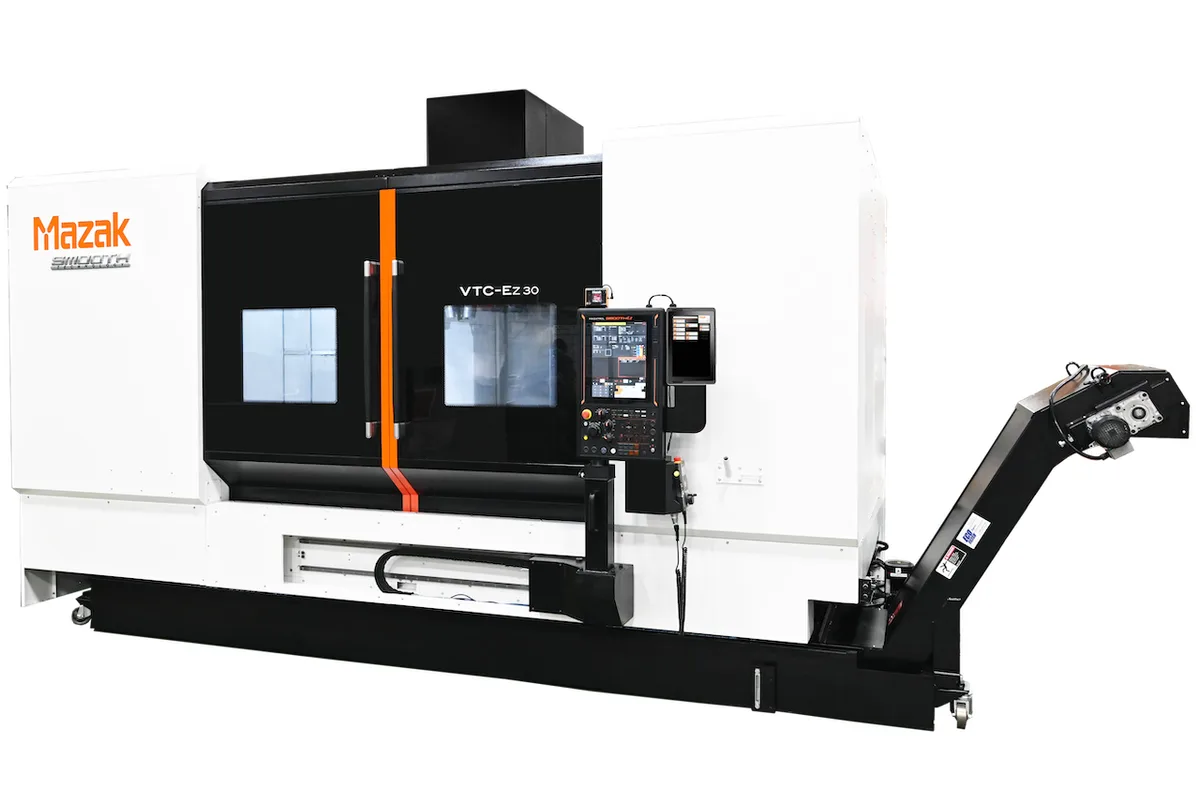
Mazak
View Specs Page →
|
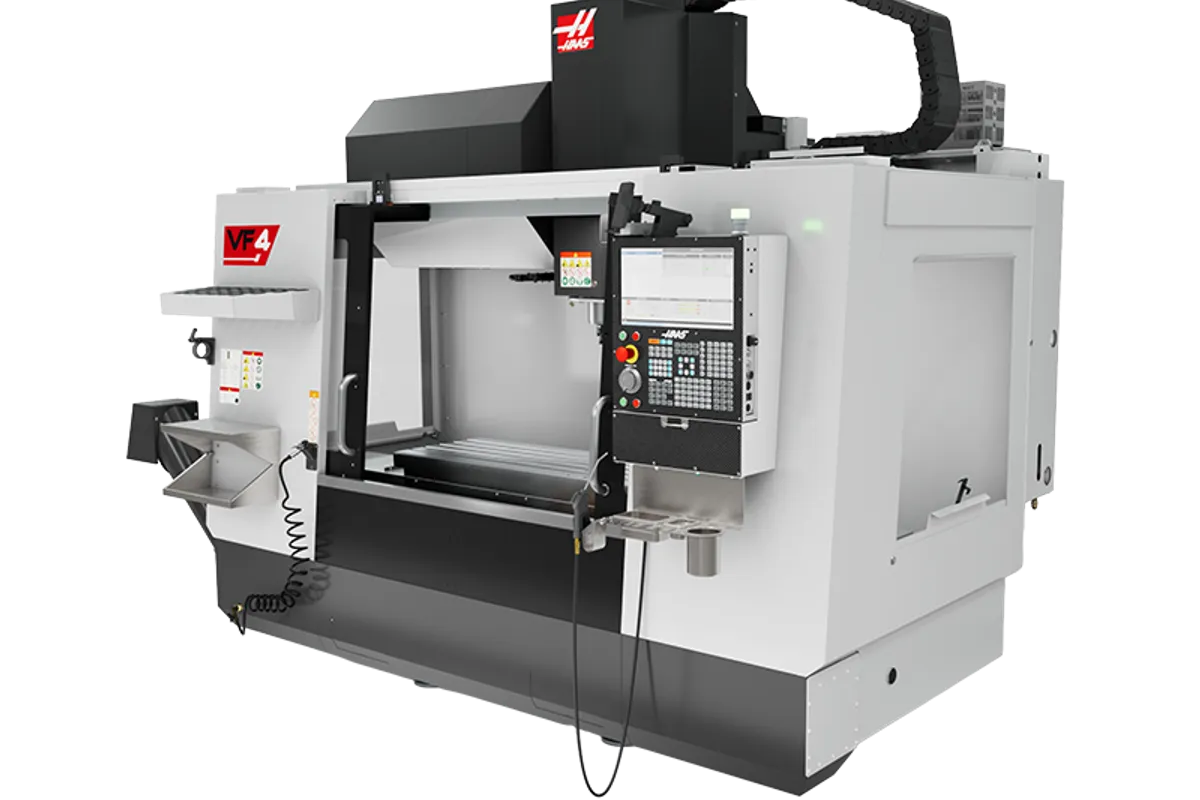
Haas Automation
View Specs Page →
|
|---|---|---|
| 1. Machine Classification & Kinematics | ||
| Machine Type | CNC Vertical Machining Centers (VMC) | CNC Vertical Machining Centers (VMC) |
| Controlled Axes | 3-Axis Simultaneous | 3-Axis Simultaneous |
| OEM Headquarters | Japan | United States |
| Model Status / Year | 2024 | 2024 |
| 2. Spindle Speed & Motor Power | ||
| Maximum Spindle Speed | 15,000 RPM Highest RPM | 8,100 RPM |
| Spindle Motor Rating | 11.0 kW (14.8 HP) | 30.0 kW (40.2 HP) More Power |
| 3. Work Envelope & Travels (X / Y / Z) | ||
| X-Axis Travel | N/A | N/A |
| Y-Axis Travel | N/A | N/A |
| Z-Axis Travel | N/A | N/A |
| Table Surface Dimensions | 82.68" × 29.92" | 52 × 19.5 in (1,321 × 495 mm) |
| Maximum Table Payload | 1,500 kg | 3,500 kg Heaviest Load |
| 4. Tool Changer (ATC) & Motion Rates | ||
| Tool Magazine Capacity | 20 Tools | 20 Tools |
| Rapid Traverse Rate | 36 m/min (1,417 ipm) | High-Speed Rapid Feed |
| 5. CNC Control & Telemetry Standards | ||
| Standard CNC Controller | MAZATROL SmoothEz CNC | Standard CNC |
| MTConnect Telemetry Standard | ANSI/MTC1.4 Verified | ANSI/MTC1.4 Verified |
| 6. Machine Mass & Rigidity | ||
| Net Machine Weight | Standard Industrial Weight | 11,720 kg |
When evaluating Mazak VTC-Ez 20 vs Haas Automation VF-4, shop managers must weigh spindle kinematics against overall structural rigidity. The Haas Automation VF-4 delivers a competitive edge in heavier stock removal with its 30.0 kW spindle motor. Conversely, the Mazak VTC-Ez 20 offers high-speed finishing advantages with a top speed of 15,000 RPM. Both builders adhere to standardized industrial communication protocols, facilitating MTConnect machine monitoring across digital factory floors.
When selecting between competing machining centers or turning centers, specification sheets provide only the baseline. Experienced manufacturing engineers should analyze the following core metrics:
Check whether kW and torque are rated continuously or at 15-30 minute duty cycles for roughing operations.
Heavier meehanite cast-iron machine beds absorb cutting harmonics and damp vibrations during high-feed milling.
Ensure the control system supports high-speed look-ahead (G05.1/G08) and standard MTConnect IoT monitoring.