
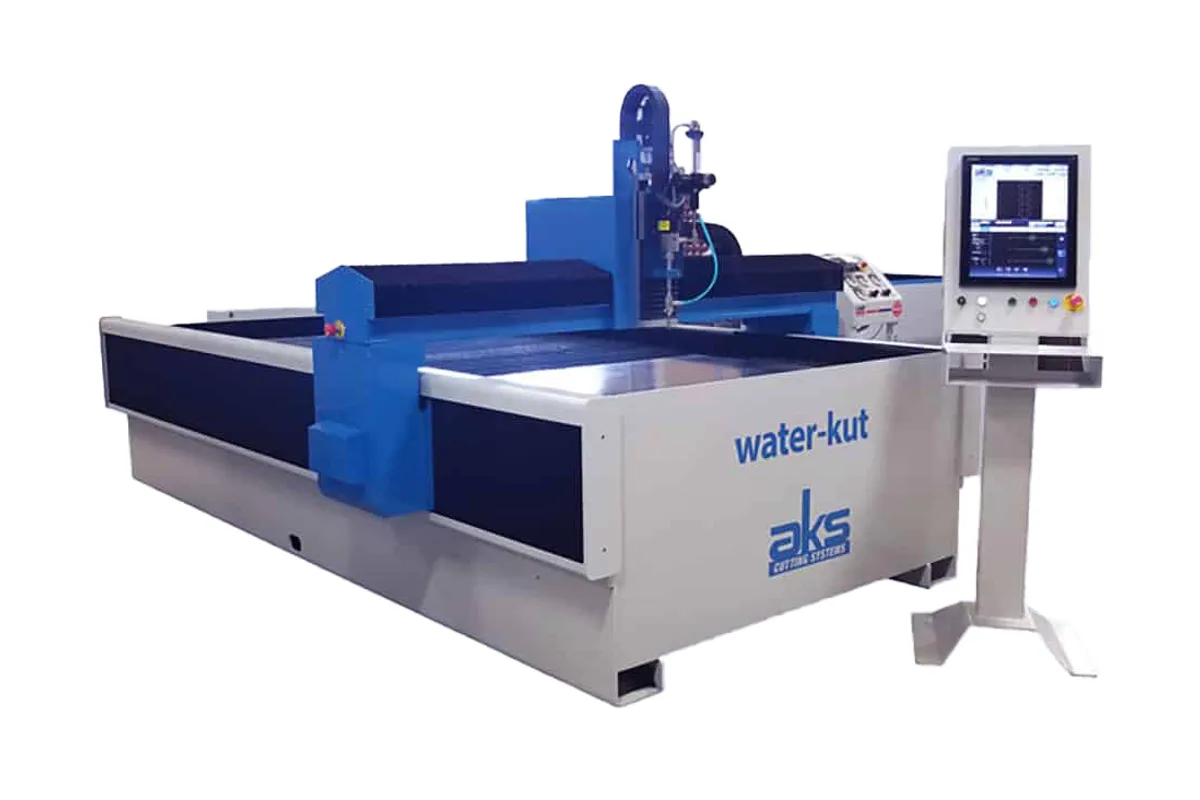
The 3D Systems DMP Flex 350 Dual is an industrial-grade CNC Vertical Machining Centers (VMC) powered by the Standard CNC. and a 3-axis kinematic layout. It supports standardized digital factory monitoring via MTConnect.
3D Systems DMP Flex 350 Dual: 2 x 500W fiber lasers at 1070 nm, 275 x 275 x 420 mm build volume, 5 μm minimum layer, 200 μm minimum feature.
| Standardized Parameters & Ratings | |
|---|---|
| Manufacturer (Brand) | 3D Systems (International) |
| Machine Type | CNC Vertical Machining Centers (VMC) |
| CNC Controller System | Standard CNC |
| Number of Controlled Axes | 3-Axis Simultaneous / Positioning |
| Spindle Taper Interface | Standard |
| Industrial IoT Protocol | MTConnect ANSI/MTC1.4 Compliant (Ethernet/TCP) |
| Laser Power Type | 2 x 500W Fiber laser |
| Laser Wavelength | 1070 nm |
| Build Volume | 275 x 275 x 420 mm, height inclusive of build plate |
| Layer Thickness | Adjustable, minimum 5 μm, typical values: 30, 60, 90 μm |
| Material Deposition | Soft blade recoater |
| Repeatability | Δx (3σ) = 60um, Δy (3σ) = 60um, Δz (3σ) = 60um |
| Minimum Feature Size | 200 μm |
| Typical Accuracy | ± 0.1-0.2% with ± 100 μm minimum |
| Build Platform Heating | 250°C |
According to secondary market equipment benchmarks for November 2026, the 3D Systems DMP Flex 350 Dual is estimated between $50,000 and $88,000 USD depending on machine hours, spindle condition, and tooling package. Financing and industrial lease options typically start around $775 / month.
A second laser. The DMP Flex 350 Dual is listed with 2 x 500W fiber lasers, and it keeps the 275 x 275 x 420 mm build volume of the DMP Flex 350. The gain is in exposure time per layer, so it shows most on full plates and thick sections.
Not on every job. Two 500W lasers can halve the exposure time of a layer at best, but spreading powder between layers takes the same time as before. Builds with many layers and little exposed area gain least. 3D Systems gives no build-rate figure in the table, so ask for a time estimate on your own parts.
Minimum feature size is 200 μm. Typical accuracy is ± 0.1-0.2% with a ± 100 μm minimum, and repeatability is Δx, Δy and Δz (3σ) = 60um. Layer thickness is adjustable from 5 μm, with 30, 60 and 90 μm as the typical values.
Peer engineering insights, spindle reliability feedback, and real-world shop floor experiences.